

Fight the Resistance!
Dive into real-life clinical challenges and battle the spread of MDROs.
Train hard, upgrade your infection prevention and control skills, and become the ultimate master.
About the Game

Your mission is to prevent the spread of MDROs within the unit and the hospital, and to protect patients from becoming seriously ill or dying from MDRO infections.
Earn points by making effective infection-control decisions. No one “fails”, but missing opportunities results in no points earned and a worsening situation.
As you succeed, the microorganism shrinks. If you struggle, it grows.
Key features include:
- 4 interactive scenarios with real-life IPC challenges
- Questions on different aspects of IPC to prevent and control MDRO
- Built-in learning support :
- A “Learn” section with additional educational material

- A dictionary/glossary of essential terms
- Bonus questions to test advanced understanding and reward deeper knowledge

- Clues available during gameplay to guide the player
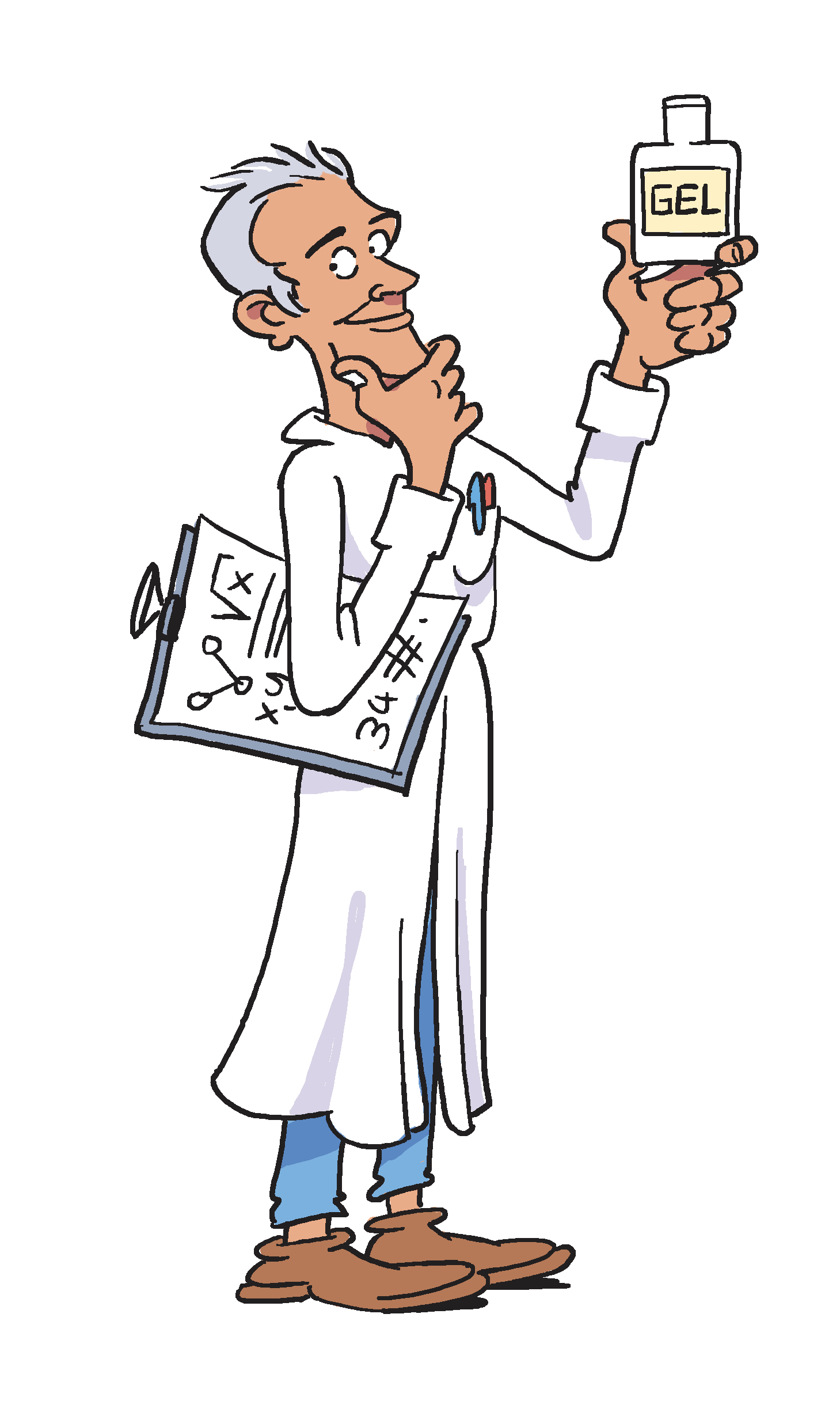
- A “Learn” section with additional educational material
What You Will Learn
Prevent the spread of MDROs within a hospital unit and across the facility.
Protect patients from acquiring MDRO infections, reducing the risk of severe illness or complications.
Develop and reinforce key professional behaviours essential for controlling MDROs, especially CPE, CRAB, and CRPsA.
Improve understanding of multidrug-resistant organisms (MDROs).
Topics Covered

Hand Hygiene
WHO’s 5 moments, correct technique, alcohol‑based hand rub (ABHR) use, and simple ways to monitor and improve compliance.

Contact Precautions
Appropriate use of gowns and gloves, indications for preemptive precautions, and safe donning/doffing practice.
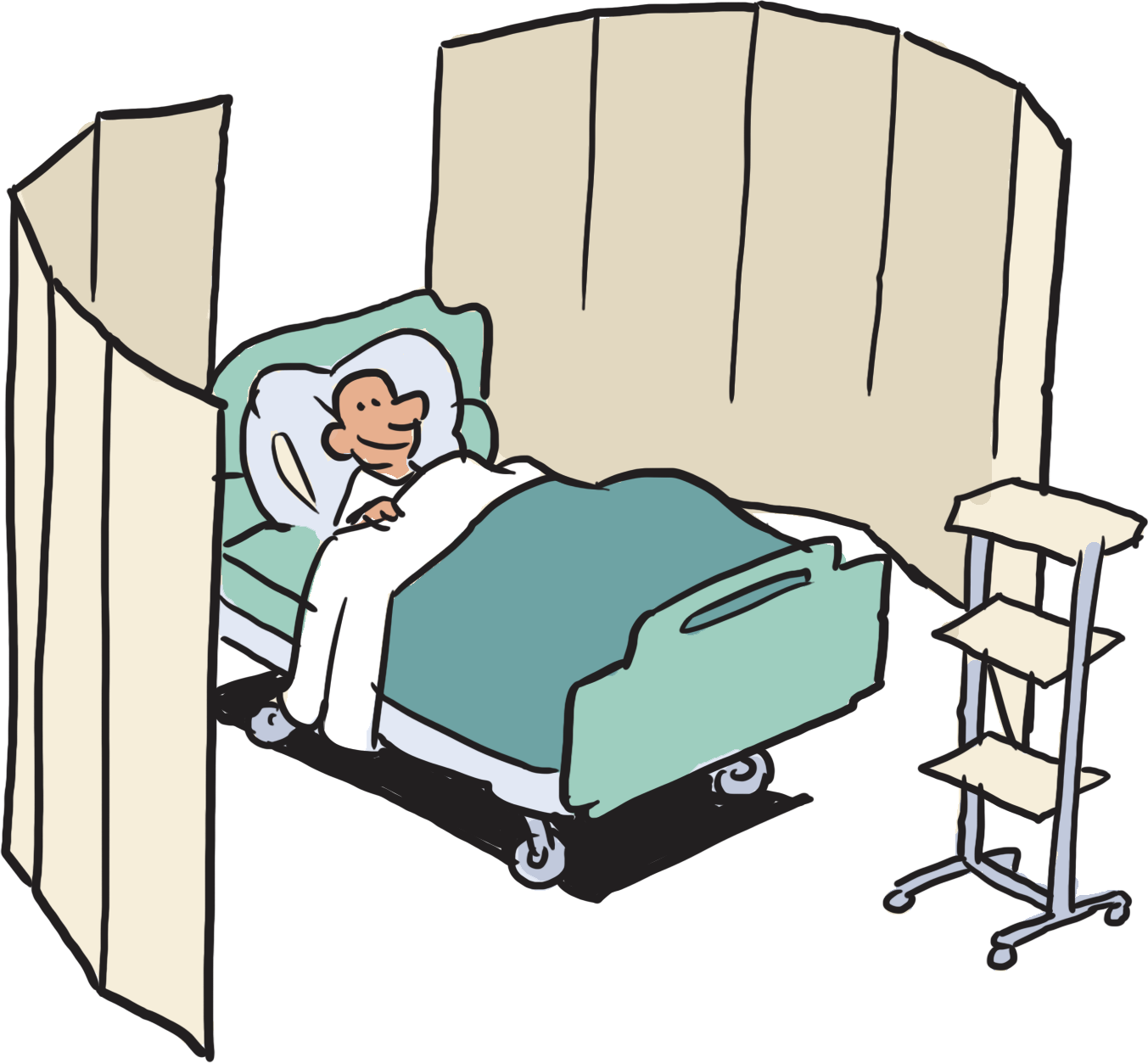
Isolation & Cohorting
Who to isolate or cohort, room, and bathroom requirements.
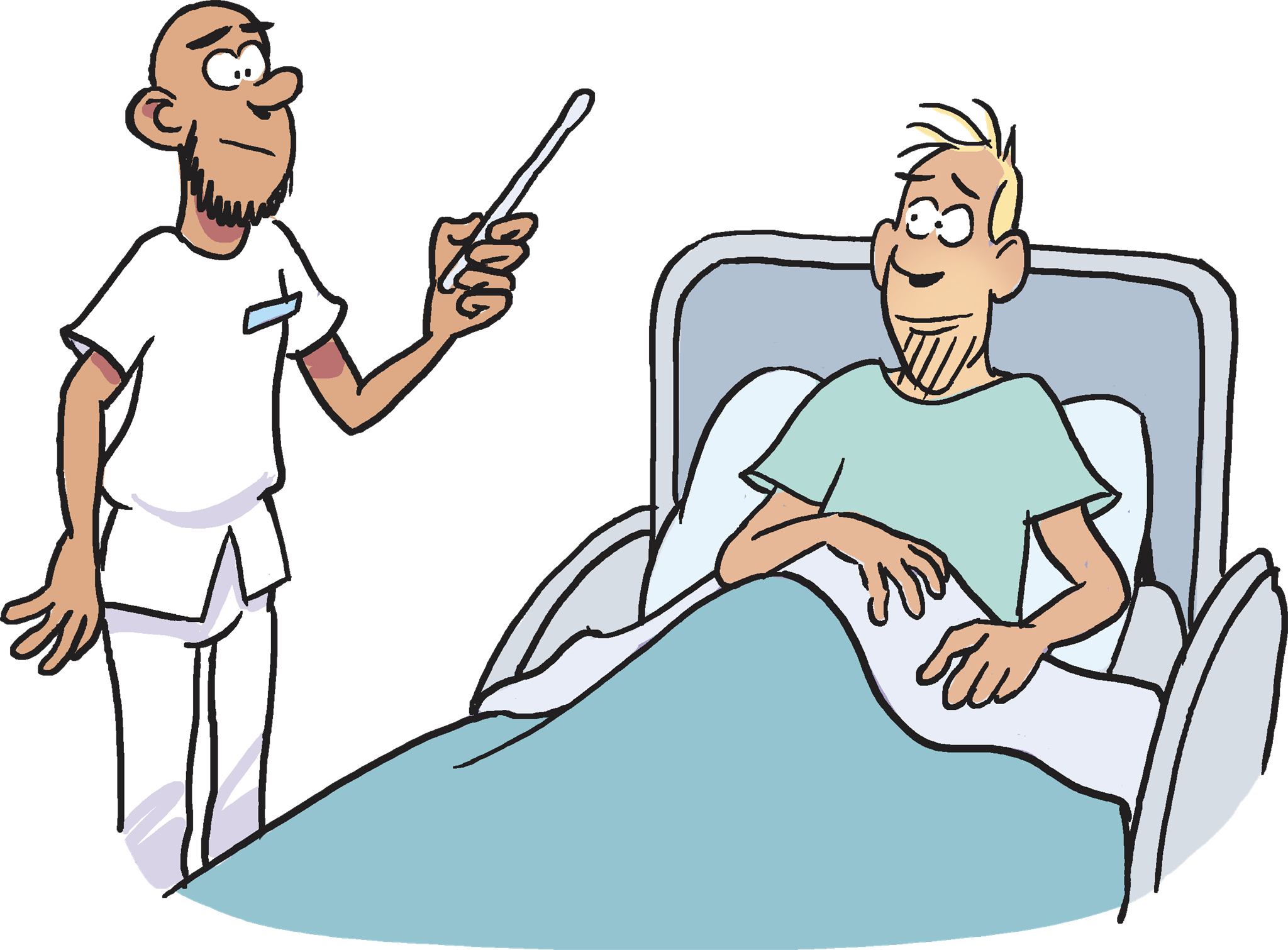
Active Surveillance
Identify which patients to screen and perform MDRO testing appropriately.

Environmental Hygiene
Cleaning high‑touch surfaces and targeted environmental cleaning.
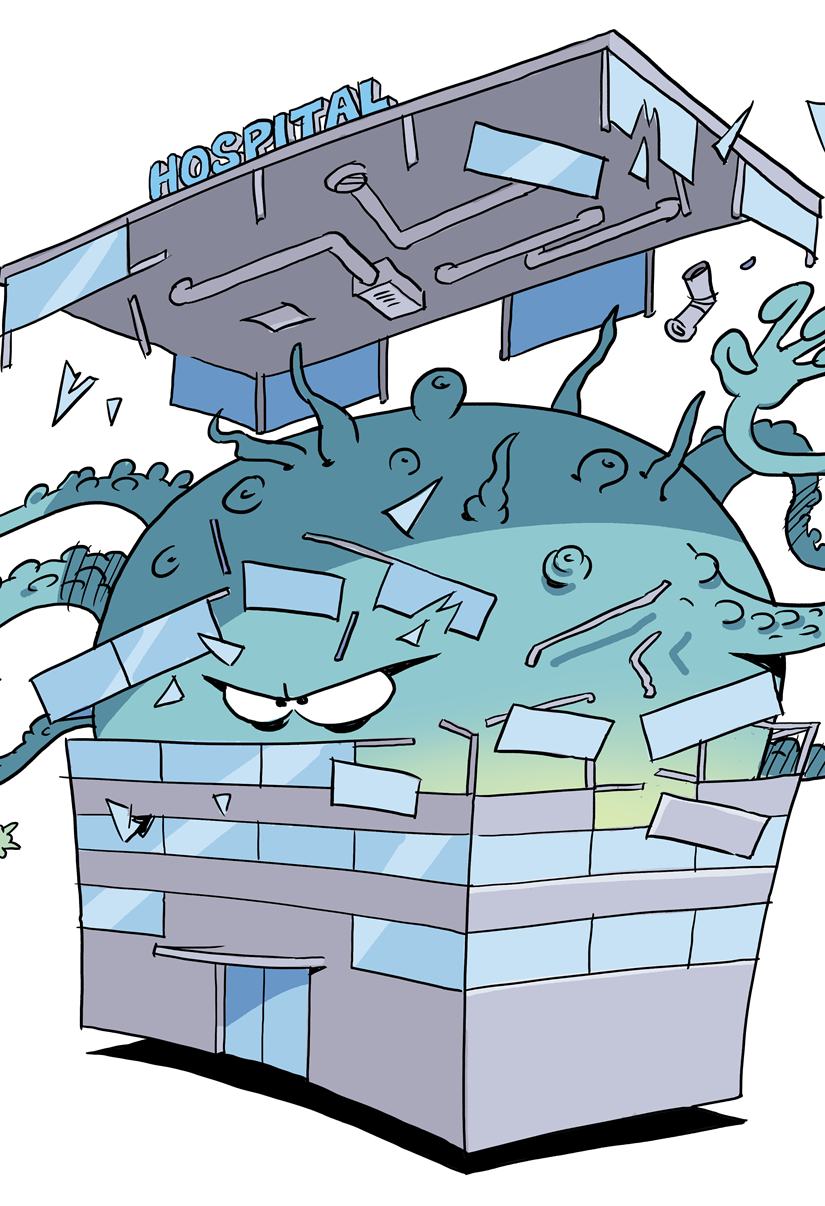
Outbreak Management
Respond to outbreaks by reinforcing precautions, screening contacts, and reviewing patient flow.